When Katie Brunke was 13, her life changed instantly when her twin brother Miles was diagnosed with type 1 diabetes. “It was a really challenging time,” she says. “He’s living his life, and now he’s got this condition forever.”
Miles’s childhood came to, in his words, an “abrupt halt” the night before Halloween. He was rushed to the hospital with dangerously high blood sugar levels, known as diabetic ketoacidosis. This is a life-threatening condition in which the body does not have enough insulin to process blood sugar (glucose).

For Miles and Katie, it was a year of uncertainty, learning, and adjustment. The experience shaped Katie’s future in unexpected ways. What began as a desire to support her brother became a career rooted in empathy, education, and advocacy.
Today, Katie is a registered dietitian and certified diabetes educator. She works at the Parkdale Queen West Community Health Centre (PQWCHC), where she supports people living with diabetes and dealing with complex challenges, such as poverty, homelessness, and limited access to care. She is also the host dietitian for Diabetes Canada’s In the Kitchen program.
A dual perspective
Katie’s relationship with her brother is at the heart of her work. She describes her approach as a “dual perspective” that’s both clinical and deeply personal.
For Miles, having a sister in the field has been “invaluable,” he says. He regularly turns to her for guidance, whether it’s about understanding portion sizes or navigating insulin adjustments. But Katie is careful about her role. Rather than acting as, what she calls, the “food police,” she focuses on being a supportive sister. That might look like offering advice when asked, or quietly packing candies for one of Miles’s road trips, just in case he has to manage a low.
That mindset also influences her work. Katie sees people living with diabetes as experts in their own bodies. She believes her role is not to tell, but to support—helping them build confidence, knowledge, and sustainable habits over time.
Meeting people where they’re at
In her job, Katie works primarily with refugees, people on social assistance, and those experiencing homelessness who also live with type 2 diabetes. For many of her clients, managing diabetes isn’t just about food choices or medication, it’s shaped by access to resources, financial constraints, and daily uncertainty.
“I understand from a clinical perspective what the recommendations are to achieve optimal glucose levels,” says Katie, “But you have to be able to adapt that to the person in front of you, to what their lifestyle looks like, what resonates with them, and what doesn't.”
Describing her role as a “detective,” she uses motivational interviewing to understand each person’s readiness for change and identify small, realistic steps forward. She looks at sleep, stress, support systems, and even whether her clients have time for activities that “fill their cup” and bring joy.
Katie prioritizes “therapeutic listening,” creating space for people to share their experiences and challenges. She works collaboratively with her clients to develop strategies that feel realistic and sustainable. For her, it’s not about perfection, but rather progress: building confidence through achievable goals that reflect each person’s reality. It’s a recognition that diabetes management doesn’t happen in isolation—it’s deeply connected to overall well-being.
Support is so key. Knowing that there are other people out there who share a similar experience can make or break someone’s capacity to make healthy changes.
In the Kitchen: turning knowledge into action
Katie brings this same philosophy to Diabetes Canada’s In the Kitchen program, a virtual four-week series designed to make cooking and eating practical, accessible, and enjoyable for those with diabetes.
In the sessions, Mairlyn Smith, professional home economist and cookbook author of “Peace, Love & Fibre,” prepares recipes in her home kitchen. Katie shares her expertise, answering questions and simplifying complex concepts into everyday strategies. For example, she and Mairlyn talk about the plate method in real life, and making space for foods like rice and pasta within a balanced approach. There’s no restrictive thinking and reinforcement of “good” or “bad” foods. For many people, it’s an opportunity not just to learn, but to feel seen and supported.
In its first two years, the program reached more than 20,000 participants, with nearly 90% reporting increased confidence in planning healthy, delicious meals. Many describe the program as both educational and uplifting. “[In the Kitchen] has been such a bright spot for me at a time when I’d been feeling a bit lost, depressed and confused about managing my diabetes,” says one attendee. “This experience has really lifted my spirits and inspired me to take better care of myself.”
Virtual diabetes education works
Katie supported an upcoming episode of Diabetes Canada’s Virtual Diabetes Education Program on meal planning. Led by Diabetes Canada’s knowledge and connection team, the virtual education program started in 2021 in response to the need for continued diabetes education from home due to the pandemic. Since then, the program has had more than 5,000 attendees across Canada, with conversations on nutrition, blood glucose management, complications, medications and more.
Diabetes Canada’s In the Kitchen and Virtual Diabetes Education Program play a critical role in building confidence in diabetes management and creating opportunities for connection.
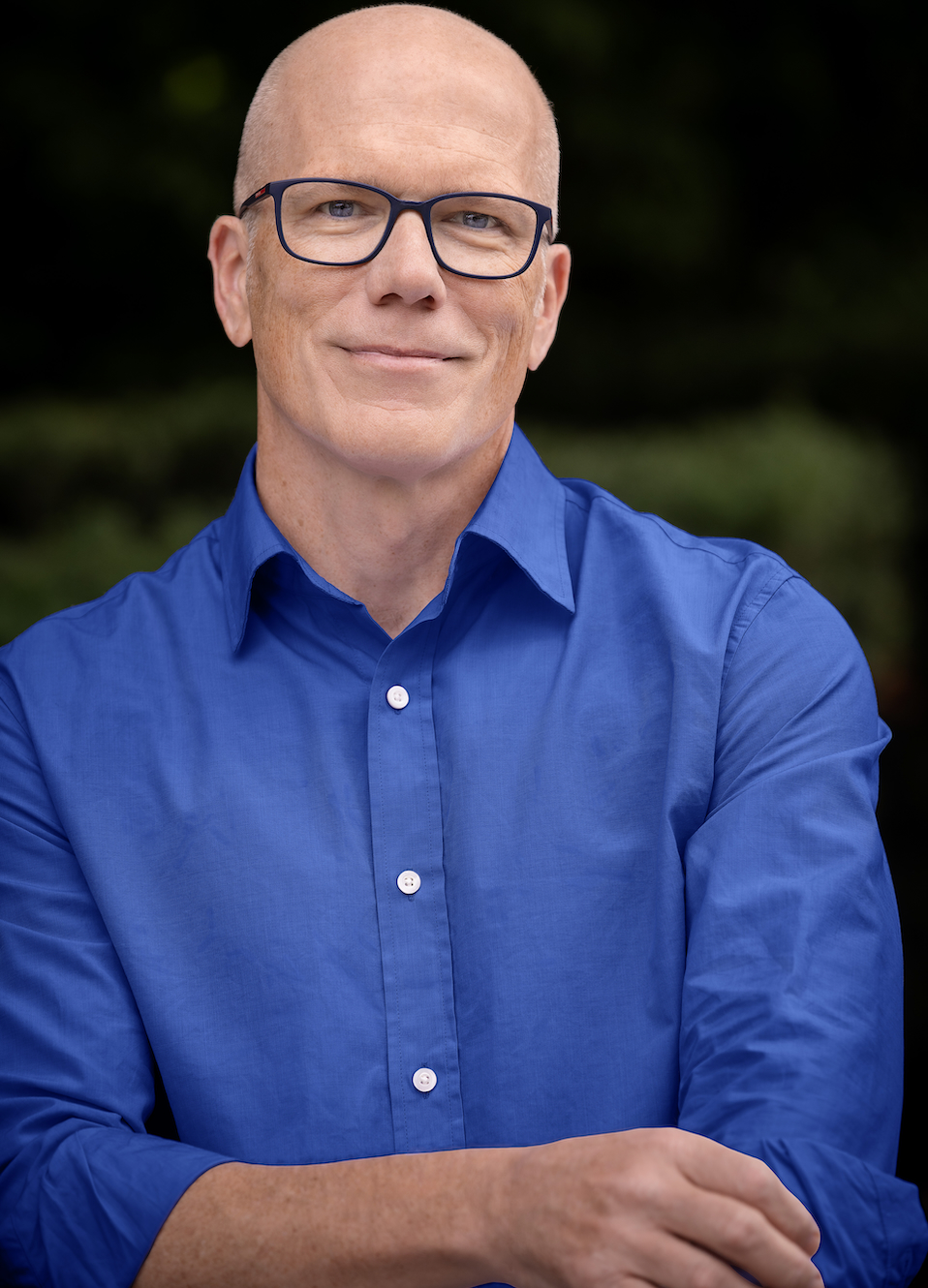
As free, accessible, and evidence-based resources, they foster a sense of community among participants navigating similar challenges, while removing financial barriers,” says Dr. Shane Green, Diabetes Canada’s Senior Vice President, Mission.
Together, these programs reflect Diabetes Canada’s commitment to ensuring people have the tools, knowledge, and support they need to live well with diabetes.
The power of connection
.jpg?lang=en-CA)
For Katie, education is about more than information; it’s about connection, and empowering people to take control of their health with confidence. Miles has seen that impact firsthand. “I believe my sister and [diabetes education programs] provide value beyond measure,” he says. “The support they give will literally add healthy, quality years to your life. I'm just not sure how you measure something like that other than saying thank you.”
Did you know?
Register for the Virtual Diabetes Education Program and In the Kitchen today to take part of these free, virtual diabetes education programs.