

A plant-based eating pattern includes mostly plant origin foods and tends to be higher in fibre than other eating patterns. With a little planning, a balanced plant-based diet can provide you with all the nutrients that your body needs.
Principles of plant-based eating
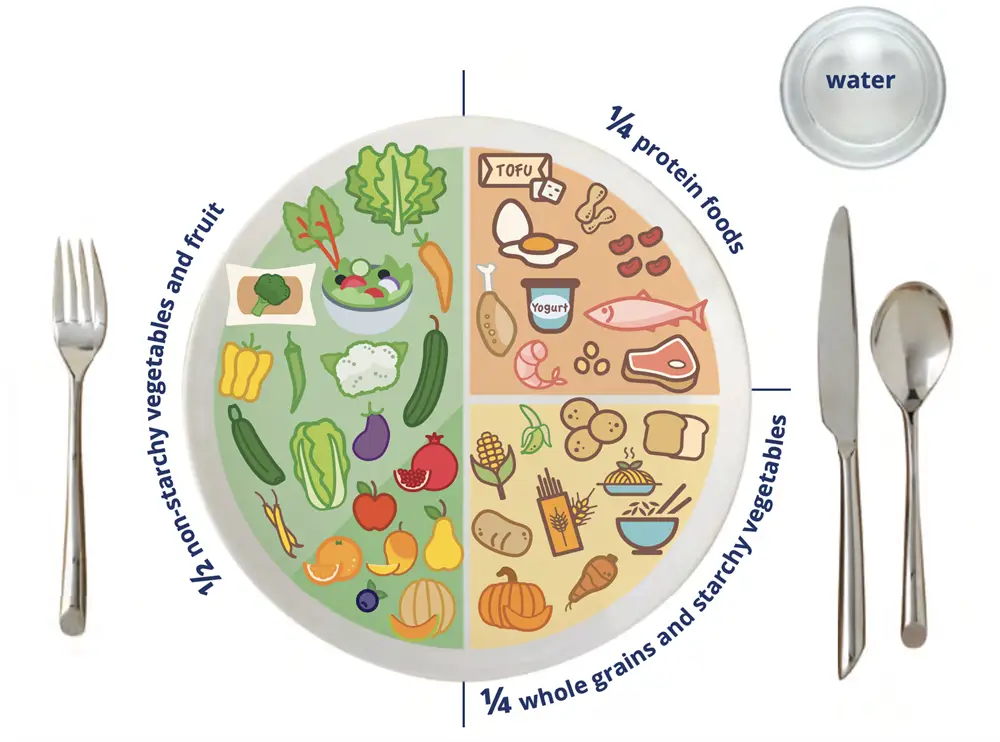
- Eat lots of vegetables and some fruit. These are typically high in nutrients and low in calories.
- Include protein sources such as legumes (chick peas, lentils, beans), soy (fortified beverages, tofu, edamame, tempeh), nuts, seeds, low-fat cheese and yogurt.
- Eat small portions of grains and starches including rice, potato, pasta, cereals, breads and corn.
- Go for healthy fats in moderation. Select plant oils such as olive and canola, nuts and seeds, avocado and soybeans.
Benefits of a plant-based diet
Following a vegetarian diet is one way in which people with type 2 diabetes can help manage blood sugar.
Plant-based diets:
- are higher in fibre to help manage blood sugar
- may help with weight and blood pressure management
- are high in protective nutrients that may reduce risk of heart disease and certain cancers
- are lower in saturated fat and more heart-healthy
A day in the life
Breakfast:
- Yogurt parfait with 3/4 cup of plain Greek yogurt + 1 cup frozen berries (thawed) + 2 tbsp chopped almonds + 1/2 cup granola
Lunch:
- Garden Veggie Buddha Bowl + 1 apple + 1 cup milk of choice
Dinner:
- Indonesian Tofu Stew + 1 cup quinoa + 1/4 cup chopped peanuts
Visit www.diabetes.ca for more healthy eating tips and recipes!