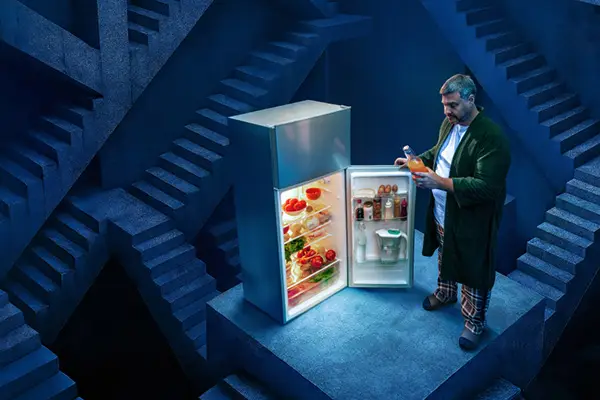

Changes in food prices can make it difficult to eat well. Trying to save some money on food can sometimes leave people feeling like they’ve compromised on nutrition.
But by using a few tips and tricks, you can eat healthy and save a few dollars!
Checklist for meal planning on a budget
Before heading to the grocery store, take a few minutes each week to plan ahead. This can help reduce impulse buys and food waste from unused purchases.
- Make a menu for the week, especially for dinners
- Put plant-based proteins on the menu. They are less expensive than meat and very nutritious
- Plan your meals around what is on sale at your local grocery store
- Make a list and take stock of items you already have in your pantry, fridge or freezer before you shop
- Shop flyers to price compare and ask your local grocery store if they price match
- Look for online coupons on websites and apps, but be sure to buy only items you will use
A note on best before dates
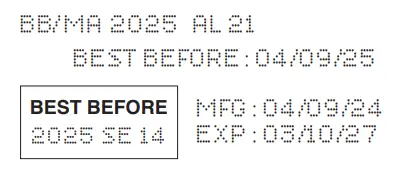
Best before dates are not expiry dates and so are not indicators of food safety. You can buy and eat food after the best before date has passed if it has been stored properly. However, after this date has passed, the food may lose some of its freshness, flavour, have texture changes and reduced nutritional value. Some grocers offer discounts if the best before date is soon. Of course, if food has not been stored properly and smells bad or is moldy, you should not eat it no matter what the best before date reads.
It's important to note that best before dates are different than expiration dates.
Expiration dates are required only on certain foods that have strict composition and nutrition standards that might not be met after a particular date. These foods include items such as infant formula, meal replacements and certain supplements. If you have a product with an expiration date and it has expired, do not consume that product.
Summary
- Best before dates refer to quality but are safe to eat.
- Expiration dates refer to safety and should not be consumed past this date.
Here are some examples of best before and expiry dates that you may see on food packaging:
How to build a balanced plate and save money
A balanced meal includes 1/2 of your plate being filled with non-starchy vegetables, 1/4 with protein foods and 1/4 with starchy vegetables or whole grains.
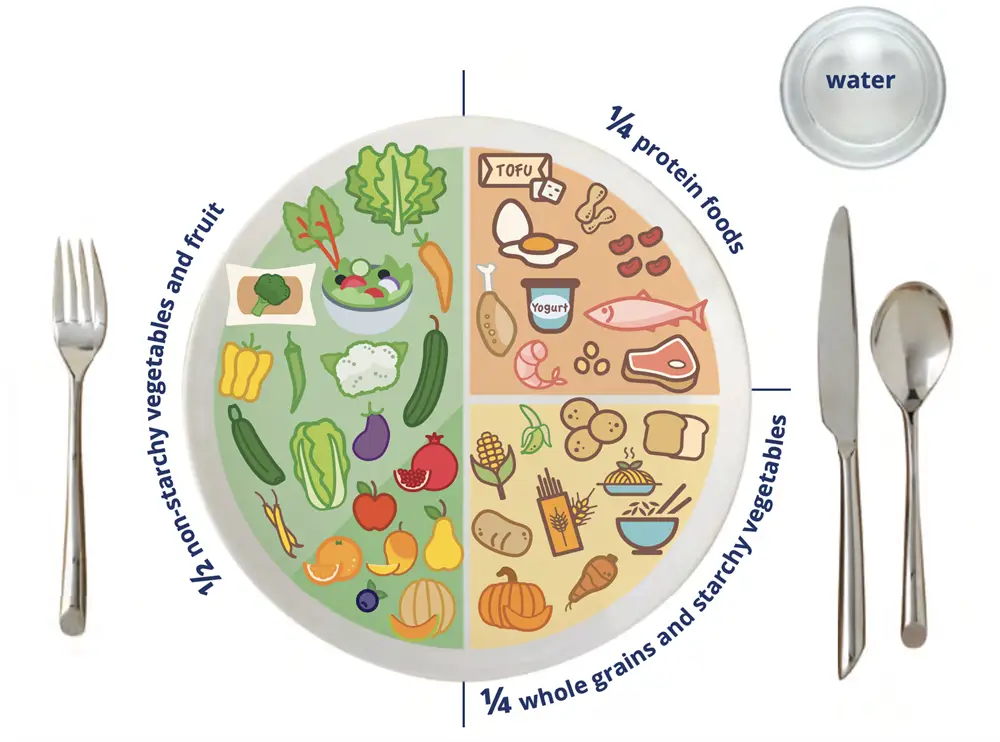
Vegetables & Fruit
- Buy fresh when in season or on sale
- Look for store specials on slightly bruised or wrinkled produce; still great nutrition at lower cost
- Purchase frozen veggies and fruit. They are often cheaper and there is less waste
- Canned fruit and vegetables are nutritious too; look for lower sodium and no added sugar on the label
Protein
- Eat plant-based protein more often; these are lower priced and nutrient packed
- Blend beans or lentils with ground meat to stretch the meat over more meals (chili, tacos, soups)
- Buy 'family packs', divide into portions and freeze
- Buy whole chicken and cut into pieces to freeze
- Canned fish and eggs are lower-priced sources of protein
Grains & Starchy Vegetables
- Buy whole wheat and multigrain bread on sale, divide into portions and freeze
- Brown rice and whole wheat pasta are priced similarly to lower fibre choices
- Whole grains such as barley and oats are affordable and nutritious options
- Try using sweet potatoes and regular potatoes with skin on
Tips for at home
- Substitute ingredients in recipes with what you have on hand
- When you have extra fresh items, cook in large batches and freeze portions for later
- Use up leftover cooked meat, vegetables or grains to create meals like a stir-fry, fried rice or soup
- As veggies wilt, chop them up and freeze to add to soups and stews later
Tips at the grocery store
- Compare prices of name brands and generic store brands
- If canned items or other staples are on sale, stock up if you can
- Compare price per serving. If a larger package is cheaper, share with a friend or neighbour to save but prevent waste
- Convenience foods are often more expensive. Buying a block of cheese and grating it yourself or a piece of meat to roast for sandwiches instead of deli meat can help save money
- Be sure to package and store food properly to prevent waste
- Bulk up meals with fibre rich, lower cost ingredients such as lentils, beans, brown rice and other whole grains
- Buy produce whole and peel and chop yourself
- Join loyalty programs if you shop regularly at one store. You may get extra discounts or save money on grocery items
- Try not to shop when hungry or in a rush
Visit www.diabetes.ca for more healthy eating tips and recipes!