

Winner chicken dinners
Today’s theme is all about everyone’s favourite protein—chicken. Featuring two delicious meal ideas, this session talks about the importance of protein for people living with diabetes. A key part of a healthy diet, protein builds and repairs cells, which is vital for growth, muscle building and skin healing. For people living with diabetes, maintaining muscle mass and protecting skin health has increased importance.
Missed the live session? View it on demand now.
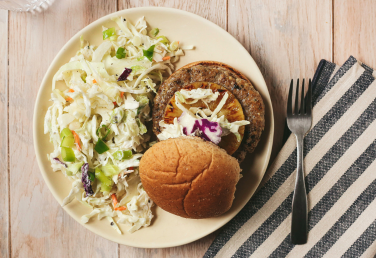
Jerk spiced chicken burger with carrot & cabbage slaw
These delicious Jerk spiced chicken burgers provide 34 grams of lean protein per serving!
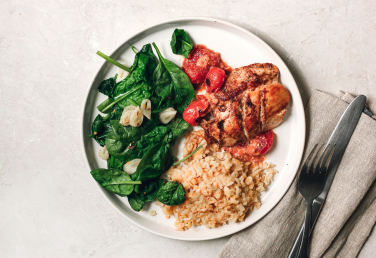
Garam masala chicken with ginger rice
Not only is it delicious but it will fill you up and keep you satisfied!
Protein & diabetes
Choosing lean sources of protein is important. Taking steps like removing the skin or additional fat, and choosing less marbled sources of protein can help you meet your protein needs without consuming too much extra saturated fat. Learn more at protein & diabetes.
Additional resources
Nutrition educational series Recipes Meal planningFrequently Asked Questions (FAQs)
Why canola oil? Aren't there healthier oils for cooking? What about coconut oil, vegetable oil, olive oil, peanut oil, ghee, avocado oil?
Canola oil is ideal for high-heat cooking due to its high smoke point (~400°F/204°C) and superior fatty acid profile: very low in saturated fat (7%), rich in heart-healthy monounsaturated fats (62%), and a good source of omega-3s (9%).
Can the hamburger patties be cooked in an air fryer?
If you have an air fryer and have cooked hamburger patties before, you can give it a try. Ensure the internal temperature reaches 165°F for food safety.
I thought pineapple was off limits - what gives?
Fruit, including pineapple, is a great source of nutrients like fiber, antioxidants, and polyphenols. Be sure to use canned pineapple packed in juice or water, not syrup.
I'm curious if whole grain buns are better than white buns?
Depending on the bun, a whole grain bun can have 1-2 grams more fibre than a white bun. Whole grains also contain higher vitamins and minerals than refined grains; however, if you prefer a white bun, consider the size of the bun and make sure to have some protein and fibre in other foods as part of your meal.
Can you talk about portion control and protein?
Diabetes Canada and Canada’s Food Guide recommends consuming ¼ of your plate / meal as a lean protein source. Limit portion sizes of meat to approximately the size of your palm or a deck of cards which represents 3-4 oz or 21-28 g of protein. When it comes to plant-based protein sources, aim for 1 cup of beans / legumes / edamame or a 3-4 oz serving of tofu or seitan to achieve similar amounts of protein.
Is protein powder ok?
Protein powder can be part of a healthy diet for individuals with diabetes when chosen and used wisely. Select one that is low in sugar and carbohydrates, providing 20–30 g of protein per serving. Stick to the serving size and pair it with fiber-rich foods and healthy fats or incorporate it into a meal or snack to help stabilize blood sugar levels and manage hunger.
Is cheese considered a lean protein?
The term ‘lean’ protein refers to mostly animal based foods where the fat is marbled right into the muscle of the meat. Some cheese could be considered ‘lean’ as in low-fat. This would include low fat cottage cheese which is high in protein and lower in fat if you choose those that have less than 2% MF. Most other cheeses are higher in fat and so while good to consume as protein sometimes, should not make up most of your protein intake.
Do you work with the rule of 5? Carbs divided by fibre and anything 5 and under is best.
This guideline is particularly beneficial for individuals managing diabetes, especially when selecting packaged foods. It encourages prioritizing low-glycemic carbohydrate options, which can help stabilize blood sugar levels. Additionally, incorporating the plate method is an effective strategy for creating balanced, fiber-rich meals that support overall blood glucose management.
Is rice ok for people living with diabetes? Does it raise blood sugar? How much rice can you eat in a serving?
Rice, especially brown rice and lower glycemic varieties (converted or parboiled rice) are just fine for people living with diabetes. It all depends on the quantity you eat (portion size) and the combination of other foods in a mixed meal (protein and fibre). Rice is a carbohydrate so it will increase blood sugar, but it is suggested that people living with diabetes should consume between 45-60 grams of carbohydrates at each meal. Eating 1/3 to 2/3 of a cup of rice will provide between 15-30 grams of carbohydrate as the starchy component of your meal. Including these servings as part of a mixed meal containing fibre, protein and fat is a good way to include rice into a healthy eating pattern.
Does eating food in a certain order slow absorption?
Eating balanced meals that contain carbohydrates, protein, fat and fibre and following the plate method in building your meals are the best ways to manage blood sugar response post-meals. Eating ‘in order’ is not as important as making sure that you include protein, fat and fibre with your carbohydrate foods in a mixed meal. Some people enjoy eating their vegetables and protein foods first to fill up before getting to the carbohydrate portion of the meal but it’s the portion control and not necessarily the order that impacts the blood sugar response.
What are good sources of protein for vegetarians?
There are many great sources of protein for vegetarians. Soy products such as tofu, tempeh and edamame, legumes such as black beans, chickpeas and lentils, nuts and seeds along with dairy products or fortified soy beverages all provide protein. Some of these protein foods such as legumes also contain carbohydrates, so portion size is important to manage blood sugar. Typically plant proteins are also good sources of fibre so that helps with blood sugar control. If you eat small regular portions of protein at all meals and snacks, vegetarians can easily meet protein needs.
How much protein and fibre should we have per meal?
Strive for 20–30 grams of lean protein per meal, as the body can absorb up to 30 grams at a time, making additional amounts less beneficial. The recommended amount of fibre per meal varies based on factors such as age, life stage, eating habits, and health goals. For individuals living with diabetes, following the plate method can help meet recommended fibre intake and support overall health.
What if you can't get garam masala?
Garam masala is an Indian spice blend that is used to season many types of dishes from curry to soups to desserts. It usually is a mixture of cumin, cardamom, coriander, cinnamon, cloves, black pepper and bay leaves, but every blend may have a secret spice or two mixed in. You can make your own if you like, there are many recipes online to choose from or if you want to simplify it you could use a purchased curry powder blend as a substitute. The flavour will be a little different but equally delicious.
Can you use crushed tomatoes in a jar instead of fresh tomatoes?
You can use canned tomatoes instead of fresh. You will need 2 cups of tomatoes and their juices. If you want to mimic the texture of the sauce, we recommend using diced or petit diced tomatoes instead of crushed.
How many carbs should you have in a day?
How many carbohydrates one should have in a day is very individual and is based on many factors including but not limited to calorie needs, exercise, eating pattern and medications. Typically, it is recommended that meals contain between 45-60 g of carbohydrates each. How you get these carbohydrates is up to you. Carbohydrates are found in fruits, some vegetables, grain products and dairy products. Speak to a registered dietitian or your healthcare provider. Information on carb counting can be found here.