

Comfort classics
Who doesn’t love good comfort dishes? For some, it’s a fave that your mom or grandma made. For others, it’s a comforting meal that warms your heart on a bad day. Since comfort foods tend to be higher in carbohydrates, this can make them problematic for people living with diabetes. The recipes from this session take the flavours and ingredients of some classic comfort faves and turn them into deliciously balanced satisfying meals.
Also, given current food prices, “healthier” can sometimes be hard to attain, so we’ve got some tricks and tips up our sleeves to help you save money while eating healthy and enjoying your favourite foods.
Missed the live session? View it on demand now.
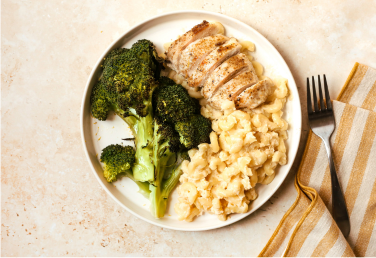
Cauliflower mac and cheese with roasted chicken and broccoli
This cauliflower macaroni and cheese is creamy, comforting and lower in fat than most traditional recipes!
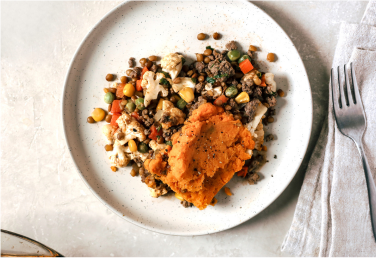
Indian spiced shepherd's pie
We recreated this classic dish with flavours and ingredients from Indian cuisine such as cumin, ginger, lentils and cauliflower.
Healthy eating on a budget
Trying to save money on food can sometimes leave people feeling like they’ve compromised on nutrition. Healthy eating on a budget has tips to help you save and still eat well.
Additional resources
Meals on a budget Eat well, spend less RecipesFrequently Asked Questions (FAQs)
Should lunch or dinner be the main meal for people living with diabetes?
It is encouraged that meal size should be the same size across all three meals for people living with diabetes. This is to space out the carbohydrate content into usual and predictable amounts throughout the day. Many people eat a small breakfast, a medium lunch and a larger dinner. For everyone, including those with diabetes, eating regular portions of mixed foods including carbohydrate, protein, fibre and fat at each meal according to the balanced plate method is a good place to start. Everyone is different however, and depending on your schedule, daily demands and medication routine, something different may work better for you.
Is there any way to get the recipes in a printable form?
All our recipes live on our website and at the top of the recipe page, just under the title, there is a small printer icon that you can click to create a printer friendly version.
Does having some psyllium (1 tsp) at night count as fibre for the day?
1 teaspoon of psyllium provides about 4 g of fibre so only about 5-10% for most people. Relying on supplements to meet nutrient needs is ok if that is the only option however supplements, even great fibre supplements lack the other nutrients and health protective compounds found in eating whole foods to meet your body’s daily needs.
What are starchy vegetables?
A starchy vegetable is a vegetable that contains a relatively high amount of carbohydrates per unit of weight. Typically, if a vegetable provides more than 5 g of carbohydrates per serving it would be considered starchy. Some of these vegetables include beets, potatoes, sweet potatoes, yam, corn, squash, cassava, taro, and plantain. Our balanced plate divides out non-starchy vegetables (1/2 your plate) and starchy foods including starchy vegetables (1/4 your plate). Non-starchy vegetables are those that are mostly carbohydrate free. These include leafy greens, cabbage, peppers, cucumbers, mushrooms, beans, snap peas, tomatoes, okra, eggplant, asparagus, broccoli and cauliflower.
The nutrition label on chickpea pasta shows high values (in carb/sugar), but you say that it is low on the glycemic index, so I don't understand, what I should be looking at on the label?
Compared to regular pasta, same serving size, the chickpea pasta has lower carbohydrates and three times the fibre plus almost double the protein. The combination of increased fibre and protein in the chickpea pasta means the glycemic response should be lower as compared to regular pasta. Portion size still matters though.
Will the Indian Spiced Shepherd’s Pie work without the Indian spice?
The recipe will work but it likely will lack flavour. If you like the ingredients from the Indian Spiced Shepherd’s pie, you could follow that recipe but us the seasonings from our regular Shepherd’s Pie foundhere.
How to use dried lentils instead of canned?
Dried lentils are very easy to cook but for this recipe you will need to pre-cook them to add into the filling. Since different dried lentils have different cook times, please follow the package directions to cook lentils from dry before starting the recipe. You will need about 1 ½ cups cooked lentils (about ¾ cup dry) to replace the one can called for in the recipe. Lentils do not need to be soaked in advance like other legumes and typically cook, depending on type, in about 12 to 25 minutes. You can cook a big batch and freeze the unused lentils for another time. They freeze very well.
Would butternut squash work in place of the sweet potato in the shepherd’s pie?
Squash of all kinds along with yams would work in place of the sweet potato.
I have made Shepards pie, but I put cauliflower on top instead of potatoes. How does that measure up?
If you are following a very low carbohydrate diet and prefer to eliminate sweet potatoes, mashed cauliflower would be a good alternative. It is high in nutrients and fibre but much lower in carbohydrates. If you are not following a low carb diet and prefer cauliflower on top, please be sure to replace the 30 grams of carbohydrates from the sweet potato by adding a bun or some fruit and a glass of milk to the meal.
How do you address food costs when living in Northern remote areas of the Country while trying to make nutritious meals?
Living in remote communities can mean access to healthy and affordable food is sometimes hard. There are a few ways to make food choices to support your diabetes management.
• Dried goods such as rice and pasta and legumes such as lentils, kidney beans, chickpeas and black beans offer great nutrition year-round and are often less expensive than other forms of carbohydrates and protein foods.
• Frozen and canned fruit, vegetables, meat and fish are as nutritious as fresh.
• Incorporate traditional foods (fish, berries, seafood, wild meats, roots).
• Powdered milk or shelf stable milk alternatives for Calcium and Vit D are usually less expensive than fluid milk.
• Look into community-based food programs such as community kitchens in your area.
• Look into bulk buying opportunities to save money - may be able to split transportation cost when buying in a group.
• Use food preservation techniques for local foods to extend shelf life - canning, freezing, dehydrating practices.
• Try to cook from scratch as much as possible to save money, processed foods can be quite expensive.
• Remember its pattern over time not each meal that matters. If there are times of the year where seasonal foods are plenty, eat those items then knowing that as seasons change your balanced intake over time still makes a difference.
If you are interested in recipes that include foods often available in Northern communities, please visit Nutrition North Recipes.