Early memories
Some of my earliest memories involve our summers at my grandparents’ cottage on Lake Simcoe in Ontario. When I was a kid, my siblings and cousins and I would spend long days at the lake—swimming, fishing, exploring and sometimes just doing nothing.
One vivid memory I have is of my grandmother going into the back kitchen to give herself her daily insulin shot. She was nearly blind (because of type 1 diabetes), so my mom or one of my aunts would usually help. In those days (mid 1950s), people used big metal needles to inject insulin into their stomachs, which wasn’t a very pleasant experience.
To say that diabetes runs in my family would be an understatement. My grandmother, mom, many of my aunts, my brother and I have all been diagnosed. I was diagnosed with type 1 around 30 years ago. Back then, I had to do large-needle stomach injections too, but how things have changed. It still goes without saying that living with diabetes day in and day out requires a level of resilience that goes beyond what people can imagine.
How diabetes care has changed
Today, I wear a continuous glucose monitor (CGM) so that I don’t have to prick myself to check my blood glucose (sugar) levels. And, that big metal needle has been replaced by little pen needles that I don’t even feel.
You’ll remember that it was Canadian doctors Banting and Best who discovered insulin—and transformed the lives of people living with diabetes. Diabetes Canada has always played a leading role in advancing diabetes education, awareness, treatment and research.
Diabetes treatment and management have come so far in recent years—and I think that Diabetes Canada has a lot to do with that.
Giving back
I have been a monthly donor for years because I see the great value achieved with donor dollars. I’m also very grateful for the life I’ve been able to live (I’m in my seventies now ,and my life is still very good) and am very hopeful for the possibility that a cure might be found before my grandchildren reach middle age.
It’s this hope for the future that led me to extend my support by leaving a gift in my will and knowing that this gift could help researchers find the key to unlock the mystery of a diabetes cure. I can provide for my two sons and my five grandchildren—and still leave a bequest as my way of saying thanks to Diabetes Canada for making life so much easier for me, as one of the more than four million people in Canada who are living with diabetes today.
If you see yourself in my story in any way, please consider leaving a gift in your will to Diabetes Canada someday. I encourage you to consider joining the more than one million Canadians alive today who have made gifts in their wills to the charities that mean the most to them.
This type of giving isn’t something most of us talk about a lot—and yet, it’s so important to the future of charitable organizations in Canada. This type of gift might be as meaningful for you as my gift has been to me. And whatever you decide, thank you so much for your ongoing support of Diabetes Canada.
Did you know?
By leaving a legacy for those with diabetes, you can make difference that has the power to changes lives. Visit Leave a Legacy for Diabetes Canada now to learn more.
To hear Robert share his story, watch the video Leave a Legacy with Diabetes Canada (Robert's Story).
Related Content

Research
Read about the research projects and awards funded by Diabetes Canada
About research About Research
Tools & resources
Take charge of your health with tools and resources from Diabetes Canada.
Learn more About Tools & resources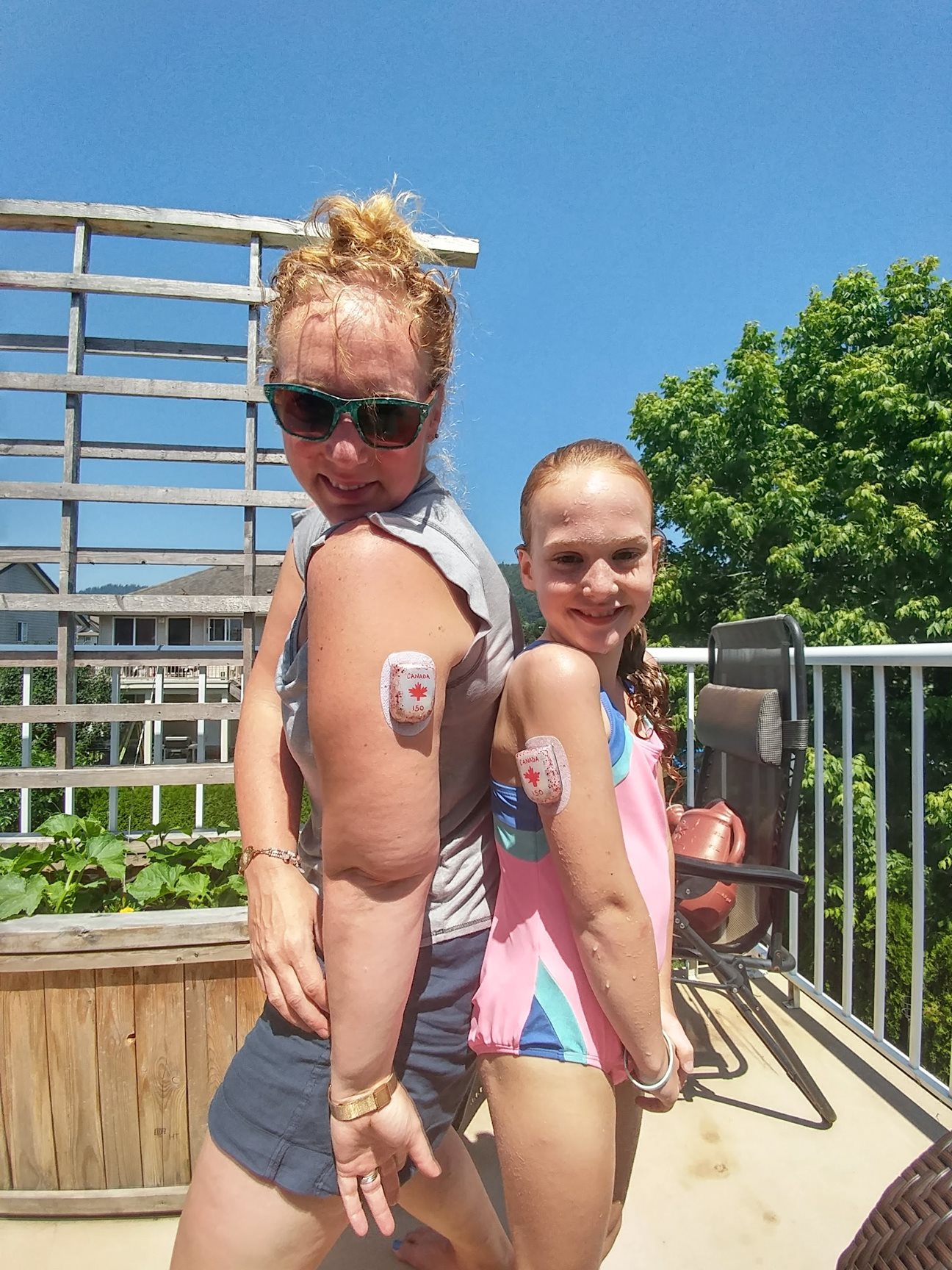
Impact stories
Read stories of inspiration from other people affected by diabetes.
Get started About Impact stories