The spring of 1969—I’ll never forget it. I had just turned eleven in March. I was a typical kid living in the country, just outside Sarnia, Ont. I had wonderful parents and two siblings. I loved skipping rope, playing soccer and baseball. I had great friends and was one of those kids who was always on the go.
But then all of a sudden, everything seemed to come undone.
It all started with me feeling constantly tired. I was sleeping way more than normal and still felt sleepy even when I was awake. That April, I lost 10 pounds—a lot for an 11-year-old. At this point, my parents really started to worry.
In May, our family doctor came to the house. She wanted to do a urine test for diabetes but I was too sick to even urinate. She told my parents I was close to falling into a coma and admitted me to the hospital. This was the first moment in my life when I’d known real fear. I’d never been sick a day in my life, and I found the whole experience frightening and confusing.
Suddenly, I’d gone from being an energetic and playful kid to a hospital patient getting jabbed by needles and connected to tubes. Plus, back in those days, doctors didn’t feel particularly obligated to explain what was going on, especially to children.
After a few days, I was stabilized and diagnosed with type 1 diabetes. It was now time to start learning to live with this disease that would be with me for the rest of my life.
Starting with the basics
I remember the nurse teaching me how to give insulin injections—first on an orange, then on myself. My mom and I also learned how to plan meals, particularly counting carbs, and how to snack before physical activity so I wouldn’t get “the shakes” from low blood sugar.
Once we learned these lessons and formed new habits, I had a pretty normal childhood. Of course, I had to monitor what I ate, test my blood sugar and give myself insulin shots. But as with most habits, practice made perfect. After a time, I didn’t really think all that much about living with diabetes; I just did.
When I hit adolescence, I turned into a bit of a rebel. Part of my rebellion was directed toward my diabetes. I drank cokes, ate chocolate bars and experimented with alcohol. But luckily, I didn’t rebel too much because my diabetes stayed in check.
My parents were amazing and matter of fact about my illness. They were very disciplined and consistent in helping me manage it. But they never suggested I compromise living a full life. They encouraged me to manage my condition and not to let it stop me from achieving my dreams.
Earlier this year, I was honoured at a Diabetes Canada celebration for people living with insulin for 50 years. I received a beautiful medal. I thought of my parents, who were just so loving, helpful and positive throughout the whole journey. I will always be grateful to them.
Enjoying a full life thanks to support and science
After high school, I met and married a wonderful man, Mike. We had two children and now have three beautiful grandkids.
Managing diabetes was a lot more work when my kids were young than it is today. I had to drive 45 minutes to the hospital every week for blood work. The daily routine, from glucose testing to administering injections, was more invasive and time-consuming.
Things are so much easier now, thanks in part to the amazing work of the people at Diabetes Canada. Tiny nano pen needles have replaced the big glass syringes. With continuous glucose monitors, we don’t have to jab ourselves to test several times a day. And, I don’t have to commute to the hospital every week anymore.
From patient to supporter
Mike and I first connected with Diabetes Canada 45 years ago through an education program in London, Ont. We learned so much, and were grateful for both the information and the connection with others who lived with diabetes.
In 1980, while pregnant with my son, I joined a Diabetes Canada research group of 15 expectant moms. We formed strong friendships and even had a picnic with our doctor in Springbank Park in London, Ont. Those were happy days indeed.
That’s also when I began my supporter journey, collecting door-to-door donations in my neighbourhood every year and then becoming a monthly donor. After a few years, I decided to take the next step and leave a gift in my will to Diabetes Canada.
I talked to Mike first. We wanted to provide for our children and grandchildren but also support this important cause. We both felt that making this legacy gift was just the right thing to do.
Making a gift that matters
I feel great knowing that this gift is in place. It’s satisfying to know that you can do a lot of good for this world, even once you’re no longer a part of it.
And I’m certainly not the only one feeling this kind of satisfaction. There are well over a million Canadians alive today who have already left gifts in their wills to the charities and causes that are near and dear to them.
My bequest to Diabetes Canada is a footprint I’ll leave in the sand after I’m gone.
My dream is that my grandkids will grow up and never have to worry about diabetes because a cure has been found—and that cure will come from research funded by Diabetes Canada with the help of people like you and me.
Did you know?
By leaving a legacy for those with diabetes, you can make difference that has the power to changes lives. Visit Leave a Legacy for Diabetes Canada now to learn more.
Related Content

Research
Read about the research projects and awards funded by Diabetes Canada
About research About Research
Tools & resources
Take charge of your health with tools and resources from Diabetes Canada.
Learn more About Tools & resources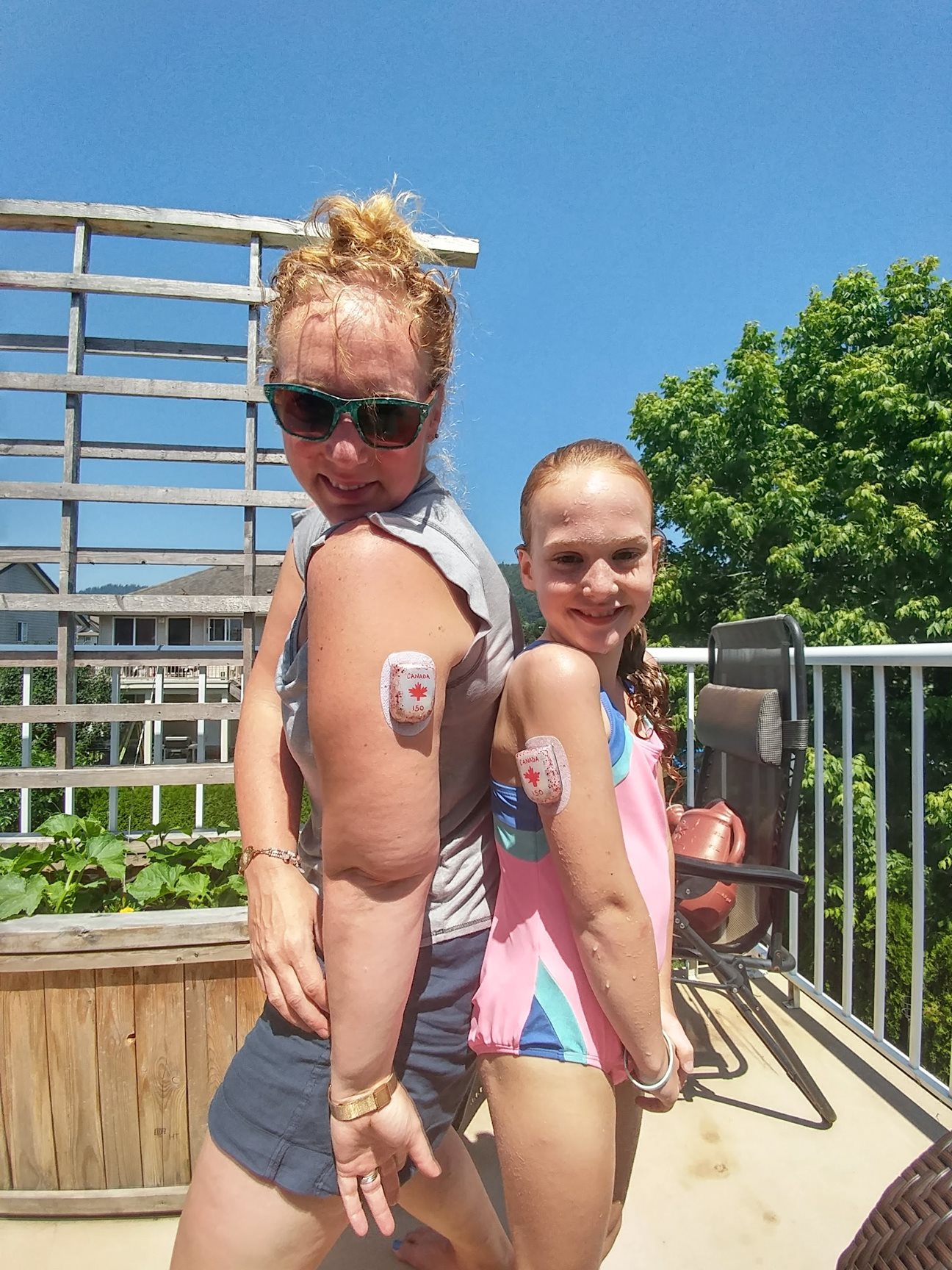
Impact stories
Read stories of inspiration from other people affected by diabetes.
Get started About Impact stories