When I look back on my life, I realize that diabetes has been part of my day-to-day existence for as long as I remember. And, I expect that diabetes will affect my daily life until I draw my last breath.
As I look ahead to the generations that will follow me, my dearest hope is that diabetes will just be something that their grandparents talk about in their stories.
My name is Sheryl Poirier, and as the saying goes, diabetes absolutely runs in my family.
A history of diabetes
When I was a little girl in Winnipeg, I remember my mother telling me stories about how my grandfather managed his diabetes: some of those memories involve my grandfather with his insulin injections. Back in the 1960s, diabetes management was certainly a lot cruder than it is today. He used these huge metal needles to inject pig insulin into himself. These needles, which had to be boiled daily, had permanent points that became dull over time—and I can only imagine how much it must have hurt for these daily injections.
By the 1970s, when I watched my great uncle manage his diabetes, things had started to improve, but it was still a relentless and invasive process. Around the same time, my dad was diagnosed with type 2 diabetes, and later in my life, I was as well. My husband also lives with diabetes, and my son David does too.
I remember it like it was yesterday. David was nine years old at the time. I remember that seemingly overnight, my bright, energetic, precocious boy turned into someone else entirely. He lost a lot of weight while all his friends were growing like weeds. He was constantly thirsty. His face lost all its colour. And, most troubling of all, his brain just seemed to stop working. Like any parent, I became very worried for my son’s well-being.
David’s dad wasn’t aware there was a problem until he took David to a weekend judo tournament in Kenora, Ont. He told me that on the trip he had to stop at almost every tree along the way so that David could pee. He said he’d never seen anybody pee so much in all his life.
That’s when we took David to the doctor and soon got a diagnosis of type 1 diabetes. Thankfully, research and technology had taken diabetes treatment a long way since my granddad’s time. The needles were finer, smaller and easier. And even though he did get teased by schoolmates occasionally, he took it in stride and didn’t let it bother him.
D-Camps to the rescue
That was also the time that I first came in contact with Diabetes Canada—and the amazing camps they run for kids with diabetes. You can’t imagine what a relief it was to send my son away for a week knowing that he would be completely safe and properly cared for. David had a blast and came back from his first trip to camp with a newfound confidence. He made friends with other kids who had type 1 diabetes; kids just like him who were laughing, playing and proving that diabetes didn’t slow them down.
Diabetes Canada has done so much for everyone in my family who has diabetes. They provide wonderful information to help people navigate their own diabetes journeys. They fund wonderful research and support work that makes diabetes so much more manageable for millions of Canadian families.
Even though I didn’t have much money, I became a monthly Diabetes Canada donor about 25 years ago. I feel great knowing that I do my bit to help the cause each and every month.
The gift of a lifetime
And then, when David’s dad and I divorced several years ago, I had to update my will. When I was doing that, I made the decision that I wanted to make Diabetes Canada a beneficiary in my will. It’s a decision I’ve never regretted. In fact, I’m due to update my will again soon, and I’m going to increase the value of my bequest to Diabetes Canada.
David is now 35 years old. He’s married and has two daughters aged three and five. My dream is that when those little girls grow up, the cure will have been found. Their children will be at zero risk of being diagnosed with the disease that has affected so many people I’ve loved. My dream is that those girls will only hear about diabetes when their old grandma (me!) tells them stories about “the old days”.
That is a dream worth dreaming. And that’s why I’ve made a gift in my will to Diabetes Canada. I love this dream—and I love living with the knowledge that I’ve done my part to help create a future free of diabetes.
If diabetes has affected your life the way it has affected mine, I have one request for you. Would you please take a moment to consider whether a gift to Diabetes Canada in your will is something that you might find meaningful? I hope I’ve planted a seed in your mind that might one day germinate.
Whatever you choose to do regarding your will, please accept my respect and my thanks for being a part of the wonderful Canadian community that supports Diabetes Canada. I’m very proud to be in your company.
Did you know?
May is Leave a Legacy month. Legacy giving is a way to leave a generous and lasting gift and support a cause you care about. Make Diabetes Canada an important part of your life story just as Sheryl has. Visit Leave a Legacy for Diabetes Canada now to learn more.
Related Content

Research
Read about the research projects and awards funded by Diabetes Canada
About research About Research
Tools & resources
Take charge of your health with tools and resources from Diabetes Canada.
Learn more About Tools & resources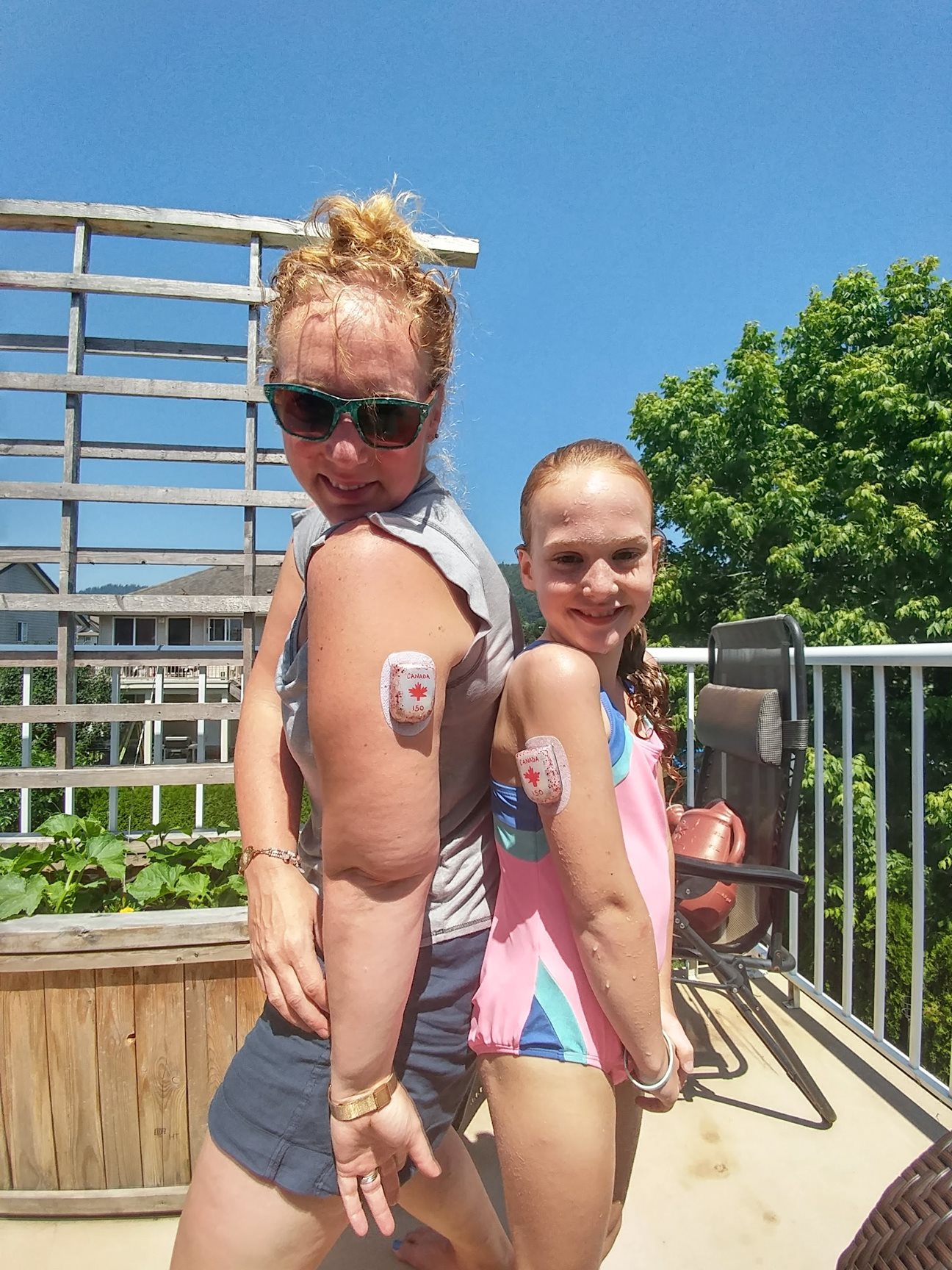
Impact stories
Read stories of inspiration from other people affected by diabetes.
Get started About Impact stories