
STORIES
What Happens When People With Diabetes Help Lead the Research?
A Calgary research team is putting lived experience at the centre of diabetes care and finding new ways to tackle stigma, improve access to care and change how diabetes research is conducted.
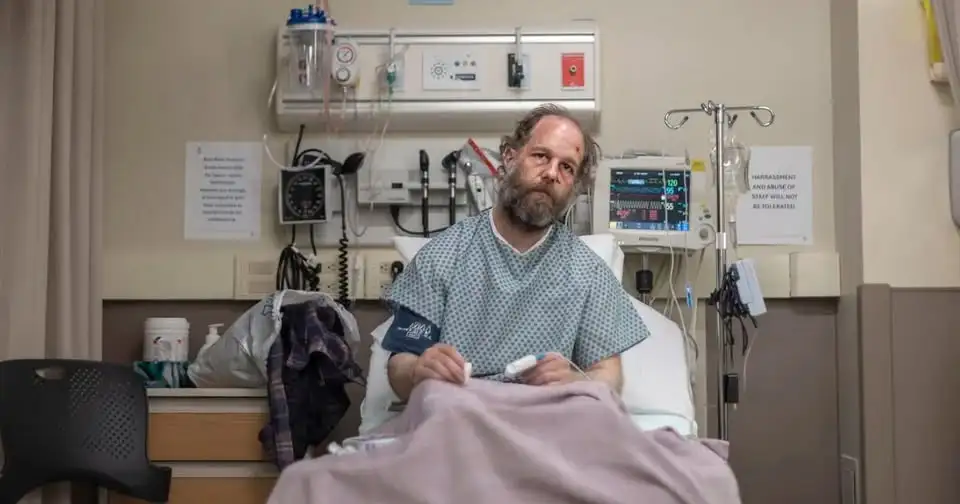
Managing diabetes is demanding even with a safe place to sleep, regular meals and somewhere to store your medication. Without them, staying healthy becomes much harder. For Justin Lawson, a member of the Calgary Diabetes Advocacy Committee (CDAC), those obstacles aren’t hypothetical.
His first experience with homelessness was at age 15 and he has been living with diabetes for about eight years. He knows what it’s like to need food immediately when his blood sugar drops but not have the money to buy it. “If I’m having a low blood sugar and I have no money and I’m homeless, what am I gonna do?” he says. “I’m gonna have to beg for food or sugar.”
Even accessing insulin can mean waiting up to an hour at a shelter when that time could be spent trying to find housing or meet other immediate needs. Diabetes becomes another urgent demand when someone is already facing challenges to get through the day.
It’s a reality Dr. David Campbell has spent years trying to understand by asking people experiencing homelessness what they need.
The researchers who usually aren’t called researchers
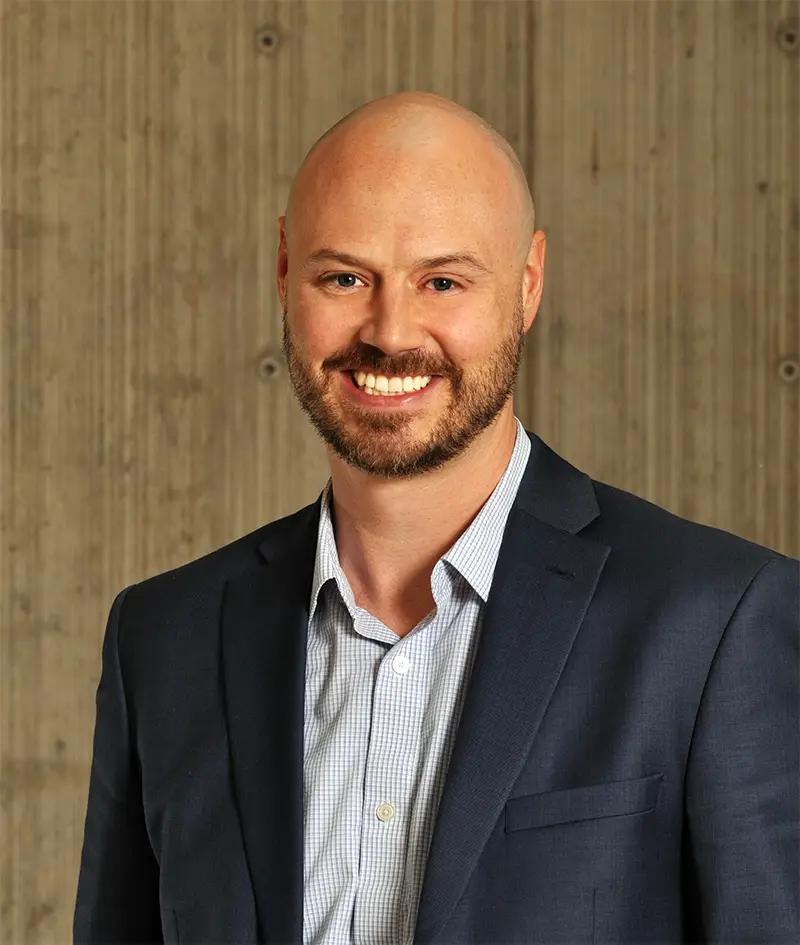
Dr. Campbell began thinking differently about diabetes care while he was a medical student, working in a clinic inside a homeless shelter. Years later, as an endocrinology fellow, he repeatedly encountered an unhoused patient admitted to the hospital for blood sugar-related issues. Treating the immediate problem only to send someone back into circumstances that made managing their diabetes difficult began to feel inadequate.
I realized that we were doing a good job of treating people when they came into the hospital, but then we were discharging them back to the same circumstances that had led them to the hospital in the first place,” says Dr. Campbell.
In 2021, Dr. Campbell helped form the Calgary Diabetes Advocacy Committee (CDAC) alongside people with lived experience of diabetes and homelessness. But members like Justin Lawson aren't simply participants whose experiences are studied. They work alongside academics as co-researchers, helping determine which questions are worth asking and what should be done with the answers.
When Dr. Campbell's team asked what would make diabetes easier to manage while experiencing homelessness, the answers challenged some of their assumptions.
“We sometimes, as healthcare providers, inflate our own importance,” says Dr. Campbell. “I thought they were going to say we need more doctors, or better access to specialists, or new models of care.”
Instead, the group pointed researchers toward issues such as accessing appropriate food, addressing stigma and enhancing understanding about the realities of managing diabetes without stable housing. Awareness and stigma emerged as priorities.
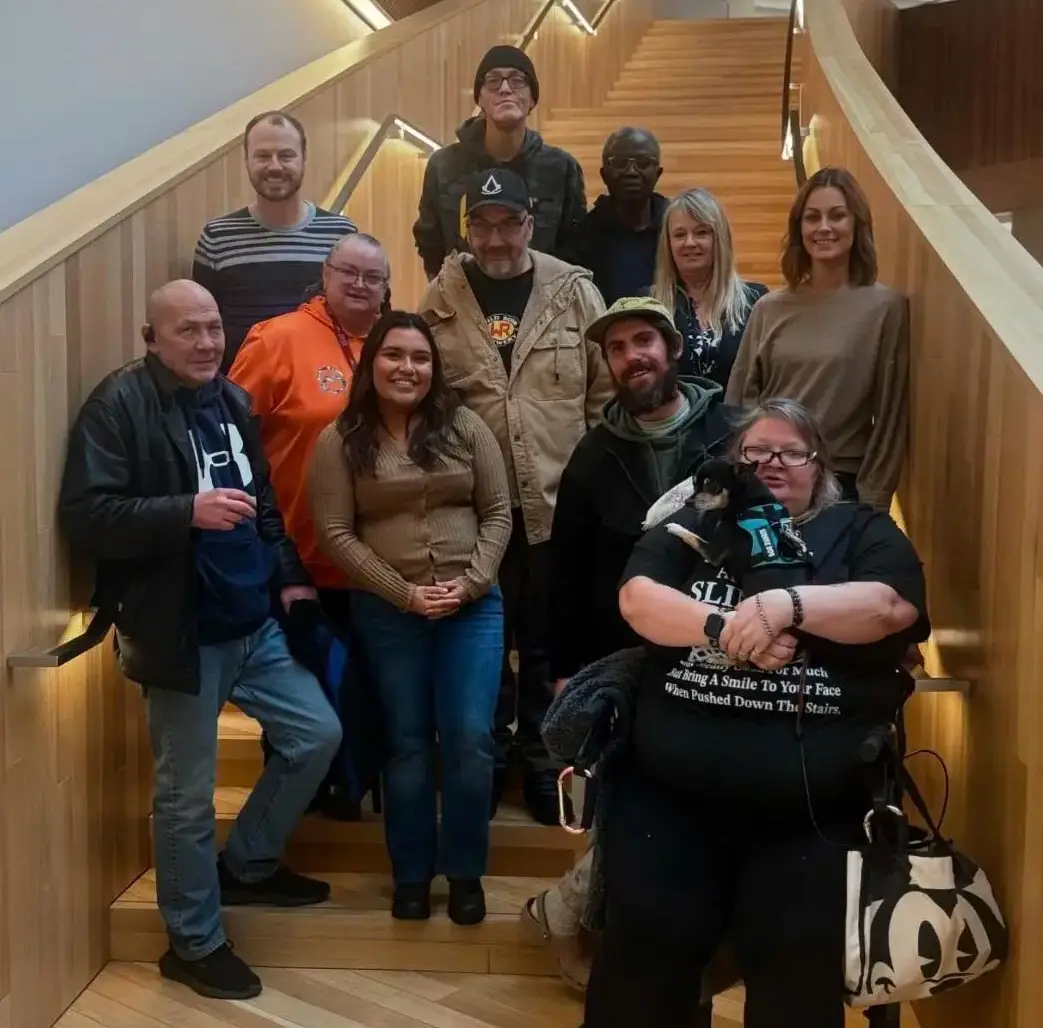
The Calgary Diabetes Advocacy Committee, led by Dr. David Campbell, MD, PhD, is behind the film, Low Priority.
How research became a movie — and started changing minds
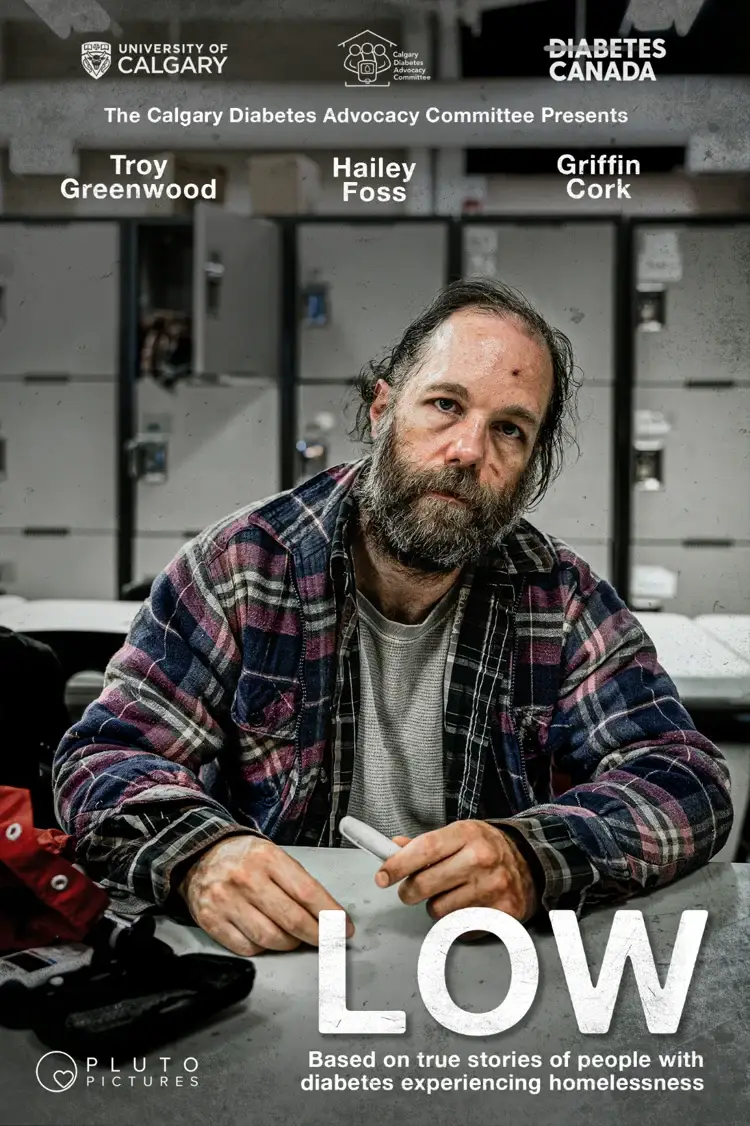
The group wanted people to understand what daily life actually looks like — and decided a film could reach people in a way research papers and statistics could not. “That was their idea, and their vision, and it’s their stories,” says Dr. Campbell.
The idea became Low, a 40-minute narrative film centred on Bobby, a man managing diabetes while experiencing homelessness, and Annika, who works in an emergency shelter amid the opioid crisis. Bobby’s experiences drew directly from stories shared by CDAC’s co-researchers, who also weighed in on the script and its depiction of homelessness.
For Lawson, much of what unfolds on screen is familiar. “It’s hard just being homeless let alone homeless with diabetes,” he says. Managing diabetes can mean navigating shelter procedures to access insulin or finding appropriate food when options are limited. “It’s the whole extra thing that you have to add your day when you’re already having a bad day.”
The stakes go beyond telling those stories. Dr. Campbell says a stigmatizing healthcare encounter can make someone reluctant to return for care, which can lead to more adverse health outcomes.
The film has since been screened at dozens of events and incorporated into health-professional education. But one encounter particularly stayed with Dr. Campbell. A week after watching Low, a shelter worker told him that she came across someone slumped over at Calgary City Hall. She initially suspected an overdose but then noticed a diabetes medical-alert bracelet and considered that the person could instead be experiencing hypoglycemia or low blood sugar and took action to tell paramedics what she had observed.
The message CDAC members wanted healthcare providers to hear was even simpler. “They said, ‘I want to be treated like a human and treated like I matter,’” says Dr. Campbell.
What does a breakthrough look like?
A medical breakthrough doesn’t always begin in a lab or end with a new drug. Sometimes it changes how people are treated by the healthcare system and providers. CDAC’s co-researchers aren’t only identifying barriers to diabetes care; they’re helping develop ways to remove them. Low has reached more than 2,000 people at 40 screenings across five provinces, entered medical and nursing education, and inspired organizations to reassess their policies.
The idea is to get that knowledge into the hands of healthcare workers, shelter staff and institutions that can act on it.
Dr. Campbell’s project shows what’s possible when lived experience helps drive research. That’s exactly the kind of work Diabetes Canada wants to support because it has the potential to reduce stigma, change perspectives and improve care,” says Dr. Rachel Reeve, Executive Director, Research and Science, Diabetes Canada. “Low is an example of research driving real-world impact.
The work has since expanded beyond Low. Dr. Campbell and CDAC have continued to develop projects shaped by lived experience, including a sequel, Low Priority, an online training platform to enhance empathy in healthcare providers, and the creation of the Diabetes Mobile Clinic. CDAC members helped shape how the mobile clinic would work, from the services it offers to what patients experience when they step on board. Rather than asking people to come to the healthcare system, the clinic brings diabetes care to them — and has already served hundreds of low-income, unhoused and food-insecure Calgarians.
Projects like these depend on funding that leaves room for unconventional ideas. Diabetes Canada helped fund Low through a two-year End Diabetes Award, giving Dr. Campbell and CDAC room to pursue an idea that fell outside the bounds of conventional medical research.
Dr. Campbell calls that support a sign of a “forward-thinking organization” willing to support a community-created film to create change.
Donor-funded grants and awards give researchers and communities room to pursue different kinds of ideas, and, in the case of Low, helped lived experience reach thousands of people, classrooms and healthcare settings.
For Dr. Campbell, that kind of progress matters just as much.
We can have breakthroughs in a lot of different ways,” he says. “Research is not one thing.” A breakthrough can be biomedical. But it can also be a shelter changing a policy, a healthcare provider questioning an assumption, or someone with diabetes finding it easier to get the care they need.
For Lawson, the point is simpler: recognize how much someone may already be carrying, then find a way to lighten the load. Sometimes, he says, helping can be as simple as asking, “Have you taken your insulin today? Or hey, can I help you get your insulin in a timely manner?”
People who encounter these barriers every day often know where change is needed; giving them the resources to act on that knowledge can turn lived experience into change that reaches far beyond one person.
In 2026, Dr. David Campbell received an End Diabetes Award for a research project to bring a “culinary medicine” approach – offering nutrition advice paired with hands-on cooking classes – to individuals moving from homelessness into transitional housing, helping them learn how to prepare healthy, affordable meals. Support research like Dr. David Campbell’s to improve the life of people with diabetes.