

STORIES
The Evidence Evolved. The Blame Remained.

Ashley Keenan's question was simple: if our understanding of type 2 diabetes has evolved, why does so much shame still surround it?
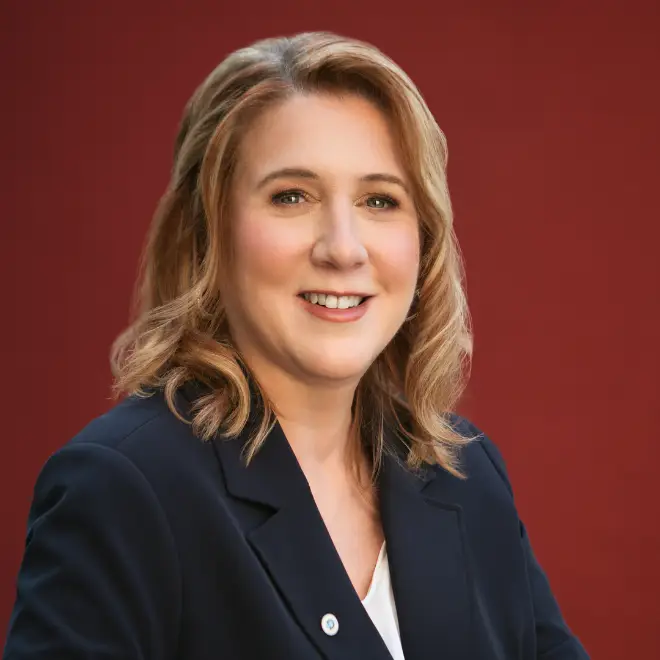
When freelance journalist and editor Ashley Keenan published her personal essay, “Why Is There Still So Much Stigma Around Type 2 Diabetes?”, in Chatelaine, she wasn't just reporting a story. She was finally telling her own.
For years, Ashley had lived with type 2 diabetes while carrying many of the same assumptions she now challenges through her writing. Publishing the essay marked the first time she publicly shared her experience with diabetes stigma and self-blame.
The science around type 2 diabetes has changed dramatically since Ashley was diagnosed. Many of the narratives surrounding it haven't.
A family history of diabetes
Ashley was diagnosed with type 2 diabetes at age 25 while attending university. A routine blood test at her campus health clinic revealed that her blood glucose was dangerously high.
I just started bawling," Ashley recalls. "Big, crocodile tears. I looked up at the nurse and said, 'I don't want diabetes.'
Yet diabetes was not unfamiliar to her.
Diabetes was deeply woven into Ashley's maternal family. Her Indigenous grandfather lived with type 2 diabetes, as do her mother and many of her relatives.
When Ashley's mother was diagnosed in her early forties, Ashley witnessed first-hand the daily realities of managing diabetes.
But while the condition was common in her family, the reasons why were rarely discussed.
Blame, shame and internalized stigma
When Ashley was diagnosed, the message she received was simple: type 2 diabetes was largely the result of lifestyle choices. Today, scientific evidence paints a much more complete picture. We know genetics, family history, income, environment, access to affordable, nutritious food and other social determinants of health all influence a person's risk of developing type 2 diabetes.
High rates of diabetes in Indigenous communities are among the health impacts of the ongoing legacy of colonization. Despite Ashley's extensive family history, she says heredity—and the broader circumstances that can shape diabetes risk—wasn't part of the conversation around her own diagnosis.
Back then, they still didn't acknowledge the hereditary component of type 2 diabetes. Just because your mom has it and your grandpa has it , that's not why you have it. They just kept focusing on my weight.

After diagnosis, Ashley immersed herself in learning everything she could about diabetes management. She followed medical advice, learned about nutrition and blood glucose management, and became highly knowledgeable about her condition.
Yet despite her efforts, Ashley internalized the blame surrounding type 2 diabetes. She felt like she was failing. "I remember thinking, I'm not doing enough. I'm not caring enough. I'm not working hard enough."
What began as external judgment became self-judgment.
Years later, when she lost 50 pounds over three months, compliments from friends and family reinforced the idea that thinner automatically meant healthier. In reality, the dramatic weight loss was a warning sign that something was seriously wrong.
After eventually developing diabetic ketoacidosis (DKA), Ashley felt as though more than a decade of effort had been erased.
It was a really big blow to my self-esteem," she says. "I assumed that meant I had been a bad diabetic.
Learning the truth
Over time, Ashley began to understand her diagnosis differently.
She could see how family history, food insecurity, geographic barriers, financial pressures and the lasting impacts of colonization had intersected across generations of her own family. "I truly believe all of these things go into why there's more diabetes in my family," Ashley says.
The realization didn't change her diagnosis. It changed how she saw herself.
Instead of viewing diabetes as evidence that she had failed, Ashley began to understand it through a wider lens, one grounded in evidence rather than blame.

Stigma remains a reality
But better evidence hasn't made diabetes stigma disappear.
Diabetes Canada's Social Experiences of Living with Diabetes in Canada report found that 69 per cent of people living with type 2 diabetes have experienced blame or shame because of their condition, while 31 per cent report being treated differently because they live with diabetes. The report also found that 31 per cent experience diabetes distress and that more than half rarely or never seek support when they need it.
For Ashley, those findings feel deeply familiar.
I thought I would be educated enough not to feel the stigma, but when I got diagnosed, the misconceptions were pervasive," she says. "It's this internal programming I didn't even know I had. I was embarrassed to tell people. I hid it a lot. I was very ashamed.
Sharing her own truth
Understanding the science didn't automatically undo years of shame. Writing about it publicly became an important step for Ashley. Her Chatelaine essay explored a question she had been asking herself for years:
Why is there still so much stigma around type 2 diabetes?
"It wasn't a rhetorical question for me," Ashley says. "It was literally, why am I still dealing with all of this stigma?"
The article allowed her to shift the conversation away from individual blame and toward the assumptions and misconceptions that continue to shape the experience of living with diabetes.
Writing the essay also changed the kinds of stories Ashley wants to tell. Bringing lived experience together with medical expertise showed her how health journalism can challenge the assumptions people carry about themselves as much as the ones they hold about others.
Even just sharing your type 2 diagnosis creates community," Ashley says. "All of a sudden there [are] two people talking about type 2 diabetes without shame, without guilt and without blame.
Stop the stigma, learn the truth
Diabetes felt like my entire identity for nearly a decade. But it’s not who you are," she says. "It's something you live with.
Sharing her story became part of unlearning the shame she had carried since her diagnosis. Speaking openly about it meant reconsidering not only what she had been taught about type 2 diabetes, but what she had spent years believing about herself.
For Ashley, changing that conversation began with changing the way she talked about her own diagnosis. “I spent a long time resenting my diabetes. I don't feel that way anymore. I just wish I'd known sooner that I didn't have to be ashamed of it.”
Ashley's story challenges us to rethink what we have been taught about diabetes, to replace judgement with understanding, and to recognize the many factors that shape a person's health experience," says Laura Syron, Diabetes Canada president & CEO, who also lives with type 2 diabetes. "It is also a reminder that when we move beyond blame, we create room for compassion, connection and better support for everyone affected by diabetes.
November is Diabetes Awareness Month
Ashley will be joining a volunteer panel to answer all your questions on Diabetes Canada Connect about what it's really like to live with diabetes. From diagnosis and daily management to complications, burnout, navigating the healthcare system, and everything in between, our panelists will offer honest, practical insights into the realities of life with diabetes.