
Many people with diabetes choose to drink alcohol. You do not need to avoid alcohol completely, but it can affect your blood sugar and overall health. The risks are different for each person. Talk to your healthcare provider about what is safe for you.
Key Points:
- Drinking alcohol is a personal choice—know the risks
- Alcohol can cause high and low blood sugar
- Low blood sugar can happen up to 24 hours after drinking
Low-risk Alcohol Consumption
There is no completely safe amount of alcohol. If you choose to drink, follow the Canadian Centre on Substance Use & Addiction and Health Canada’s low-risk guidelines which state 2 standard drinks or less per week. Your risk of developing alcohol related health conditions including cancer, heart disease and stroke increase with increased alcohol intake.
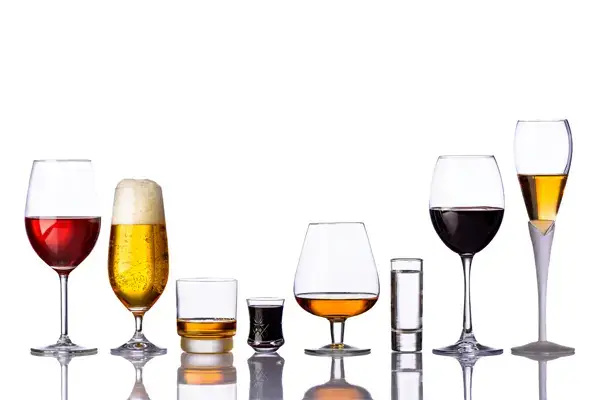
What counts as a drink?
In Canada, one standard drink is:
- Beer or cider: 341 mL (12 oz), 5% alcohol
- Wine: 142 mL (5 oz), 12% alcohol
- Spirits: 43 mL (1.5 oz), 40% alcohol
Risks of Drinking Alcohol
The biggest risk for people living with diabetes who drink alcohol is low blood sugar (hypoglycemia).
Short-Term Effects
- Can affect judgment and increase risk of injury
- Adds calories with little nutrition
- Can cause dehydration (especially if blood sugar is high)
- Can cause delayed low blood sugar
- Can make it harder to notice low blood sugar
Long-Term Effects
- Raises blood pressure and triglycerides
- Damages the liver and nerves
- Increases risk of pancreas inflammation
- Can worsen eye disease
- Can lead to addiction
Hypoglycemia and alcohol
Alcohol can increase your risk of low blood sugar. When you drink alcohol, your liver focuses on breaking down alcohol instead of releasing glucose (sugar). This can cause your blood sugar to drop quickly or for up to 24 hours later.
You are at higher risk if you:
- Take insulin
- Take certain diabetes medications (such as gliclazide, glimepiride, or glyburide)
- Drink on an empty stomach
Low blood sugar can happen up to 24 hours after drinking.
Low blood sugar symptoms (such as slurred speech and confusion) can look like being drunk. Others may not realize you need help. Tell people you are with that you have diabetes and how to help if your blood sugar goes low.
Know the signs of low blood sugar [if you can choose where a sidebar goes and one can be put next to the low blood sugar information just above then please put this in sidebar. If not leave here]
- Shaking or sweating
- Confusion
- Slurred speech
- Poor coordination
Treat right away with fast-acting sugar [e.g. 4 glucose tablets, 4 packets of table sugar dissolved in water, 125 mL (1/2 cup) of juice or regular soft drink, 2 rolls of Rockets candy]
Important: Glucagon (used to treat severe low blood sugar) may not work well when alcohol is in your body.
How many carbs are in alcohol?
Alcohol itself does not need insulin to be used by the body. Most alcohol has little to no carbohydrate.
- Wine and spirits have little carbohydrate
- Beer has some carbohydrates
- Mixed drinks can contain a lot of carbohydrate depending on the mix used
Sugary drinks and mixes may contain a lot of carbohydrates and so can raise blood sugar quickly in the short-term, but they do not prevent low blood sugar later.
If you count carbohydrates: Do not take extra insulin for alcohol alone. Speak to your health-care provider about how to manage your insulin if you drink alcohol.
How to Reduce your Risk
To reduce the risk of having low blood sugar related to drinking alcohol, take the following steps:
BEFORE drinking | DURING drinking | AFTER drinking |
|
|
|
NOTE: Missing medication or insulin during or after drinking can lead to high blood sugar, ketones, and diabetic ketoacidosis (DKA).
THE BOTTOM LINE
- If you choose to drink, follow low-risk guidelines
- Eat before and while drinking
- Know how to prevent and treat low blood sugar
- Tell someone you trust that you have diabetes
- Check your glucose often (use CGM alerts if available)
- Carry fast-acting sugar to treat lows
- Talk to your healthcare provider if you have questions